Tag Archives: political reform

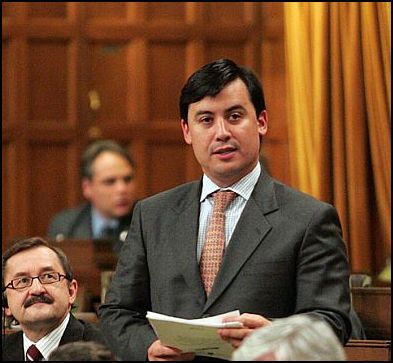
Michael Chong

Michael Chong MPMichael Chong MP for Wellington—Halton Hills has introduced a private members bill story here.

If you wont to change our politics you must first change the political parties.

I sent Mr. Chong the following email.

I read with interest about your private members bill it mirrors what has been done in the provisional constitution of the Federalist party of Canada.
The National Assembly is the members of the party who’ve registered to vote in the Assembly. The National congress is the candidates for the House of Commons. I think you might be interested in the following articles from the constitution.

5.8 By a majority vote in the National Assembly and an absolute majority in the National Congress in regular session any member may be suspended or dismissed from the Federal Council. This can also dismiss or suspend the Leader or Deputy leader.

11.3 The Leader shall sign all nomination and Election Canada papers. Any refusal shall mean the automatic and immediate expulsion from the Party.

11.4 The House caucus shall consist of all Party members who are members of the House of Commons. The caucus by an absolute two-thirds majority vote can suspend an MP from caucus. The Senate caucus shall be the same as the House caucus with the two making the Parliament caucus.

11.5 The House leader shall be elected by a secret vote of the House caucus. The runner-up in such a vote becomes deputy House leader. These two officers are members of the Federal Council. The Party caucus in the Senate shall do the same.

12.3 Key resolutions need two third majorities to be passed in the National Assembly, National Congress, and the Federal council. Key resolutions are motioned in the National policy committee. These resolutions form the National Party Platform and are binding upon a Federalist government and all Federalist MPs. Each Federalist MP can vote as they choose in the House of Commons. They may vote against a key resolution without penalty a number of times in each Parliament equal to the number of times they have been elected to the Commons.

Thanks Barry.

Maria Mourani

442_1_jpg_142x230_autocrop_q85A Leader of a Federal party unilaterally expelling one of it”s MPs from caucus not for any vote in the Commons but for an opinion that contradicts the Leader’s position not on federal policy but on a PROPOSED law in Quebec.

Maria Mourani, who was kicked out of the Bloc Québécois caucus over her opposition to the Parti Québécois’ proposed charter of Quebec values, says she has decided to quit the party.

Mourani told reporters gathered at a press conference in her home riding of Ahuntsic in Montreal Friday morning that she was very saddened by the turn of events, which have left her questioning her involvement within the sovereigntist movement.

“Was my expulsion from the Bloc the conclusion of a succession of events in which an election-driven strategy took precedence over the defense of basic human rights?” Mourani said. “I wonder.”

From the provisional constitution

11.4    The National caucus shall consist of all Party members who are members of the House of Commons. The caucus by an absolute two-thirds majority vote can suspend an MP from caucus.

12.3    Key resolutions need three-quarter majorities to be passed in the National Assembly and National Congress. The Federal Council must also pass such resolutions with a two-thirds majority vote. Key resolutions are motioned in the National policy committee. These resolutions form the National Party Platform and are binding upon a Federalist government and all Federalist MPs. Each Federalist MP can vote as they choose in the House of Commons. They may vote against a key resolution without penalty a number of times in each Parliament equal to the number of times they have been elected to the Commons.

If you wont to change our politics you must first start with the parties. Barry.

By-elections part 2

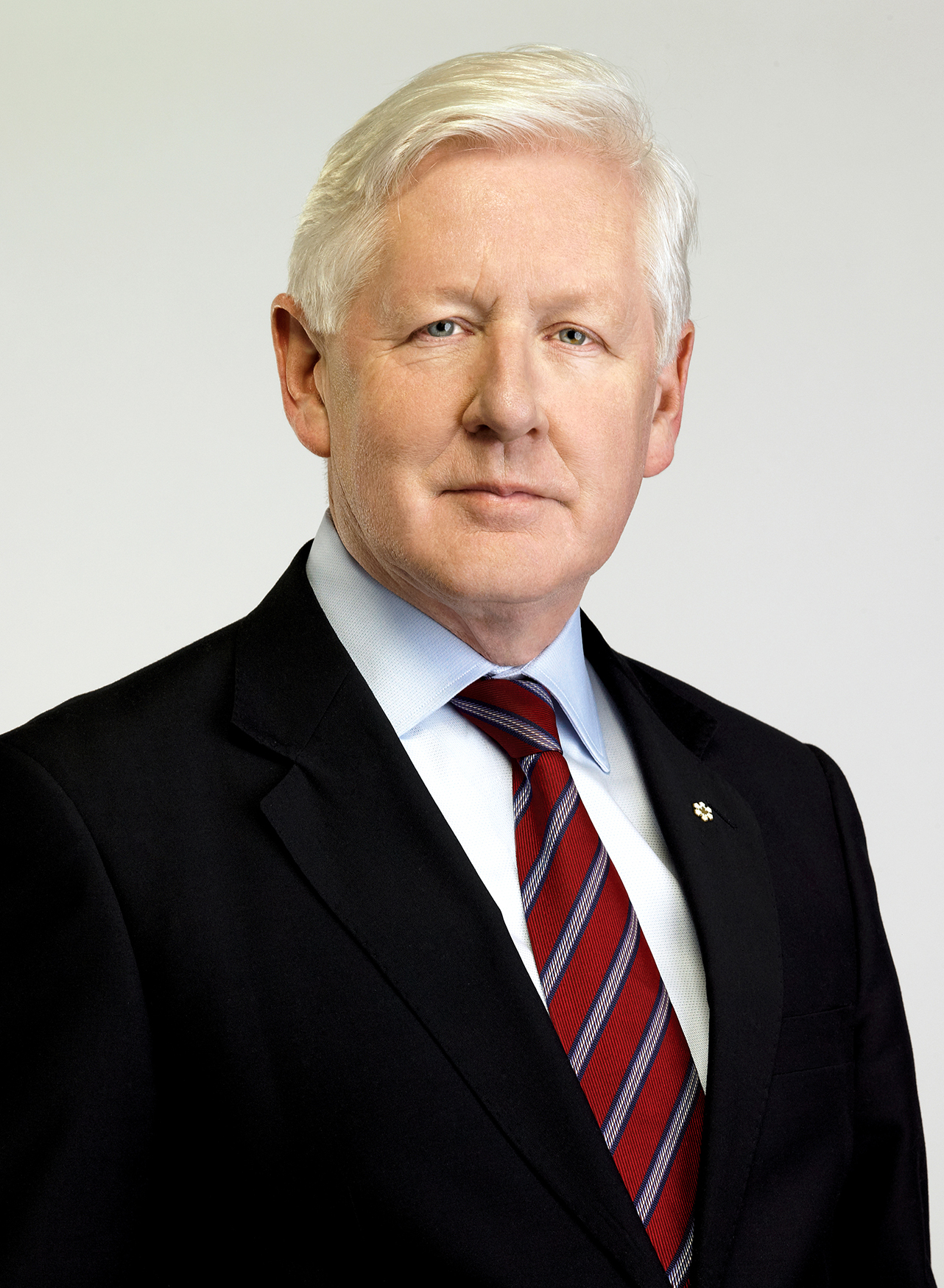
A re-BobRae-HiRes-1282x1750posting of an earlier post. Here’s another way of setting the by-elections for Bourassa (Denis Coderre) and Toronto Centre (Bob Rae) independent of the Prime Minister. There would be four set election dates, which would be three months apart on which you would hold any by-elections. For example the set election dates could be the first Monday in the months of March, June, September, and December. When a Commons seat goes vacant the Speaker of the House informs the Chief Electoral Officer of the vacancy and the By-election would be on the second set election date after the seat goes vacant. If Coderre had waited 2 days the by-elections for Bourassa and Toronto Centre would of been on Monday December 2. All by-elections would be 3 to 6 months after a seat goes vacant. When the Partisan kiddies fight over the election date toy you take it away from them! Barry.

Brent Rathgeber

MP Member ofBR_twit_pic Parliament or Member of Party

What our Members of Parliament have become is a pledged delegate. In an election are we voting for an MP or the PM? If what we are really now voting for is whom we wont as the Prime Minister then that makes the party’s candidate in each riding the means by which we vote for someone else. This is exactly what a pledged delegate to a leadership convention is. As I posted elsewhere our elections have come to resemble US presidential elections namely with the top of the ticket (PM) and the bottom of the ticket (MP).

I just recently sent a letter, YES the Canada Post kind! to Mr. Rathgeber. Here is most of that letter.

If you want our politics to change it will have to start with the political parties themselves. That is the purpose for the founding of this party, which is based on the principles that I believe in and organized the way I think a party should be run.

So begins the statement of founding for the Federalist party of Canada (www.federalistparty.ca). I was the riding president here in Compton-Stanstead when I quit the NDP in 2009. That year I received an email from both the National and Montréal offices that stated that in order to run for the nomination you had to be approved first my the national director in the federal office. NO! To run for the nomination you must be eligible to run for the House of Commons and be a member in good standing. There should be some sort of review process for nominated candidates but not to simply run for the nomination itself and of course as you know the Leader of a party under our election rules can refuse to sign your nomination papers. I ended up founding a new federal party solely because all the other parties are not run the way I believe a party should be organized.

Here are the 5 main bodies of the Federalist Party.

National Assembly: The national assembly is the registered members of the party who vote online in direct democracy of the membership. All policy resolutions and bylaws require the approval of the national assembly. The national assembly and only the assembly can votes on constitutional amendments. Representation in the assembly is one member one vote.

National Congress: The national congress is the winners and second-place candidate for the party’s nominations for the House of Commons. The approval of the congress is required for all resolutions and bylaws. Representation in the congress is one riding one vote.

Federal Council: This Council is the national leadership of the party and includes the national policy committee. The national policy committee is in effect the Federalist party’s government in waiting.  The national policy committee initiates all key resolution that forms the party’s national platform. The party platform is binding upon any Federalist government and it’s members of Parliament. The federal council initiates all binding resolutions and these are binding upon a Federalist government.

National Executive: The administrative body that runs the national office. It is the top two candidates that get elected so the executive is a non-factional body that serves all the members of the party.

Federal Tribunal: The independent and long-termed judicial body that resolves all disputes involving the party’s bylaws and Constitution.

Federal Election Officer: The FEO is the independent and non-factional officer responsible for conducting the nomination and all national elections. In effect the chief electoral officer for the party.

From the provisional constitution:

11.3 The Leader shall sign all nomination and Election Canada papers. Any refusal shall mean the automatic and immediate expulsion from the Party.

 11.4 The National caucus shall consist of all Party members who are members of the House of Commons. Each Federalist MP can vote as they choose in the House of Commons. The caucus by an absolute two-thirds majority vote can suspend an MP from caucus.

12.3 Key resolutions need three-quarter majorities to be passed in the National Assembly and National Congress. The Federal Council must also pass such resolutions with a two-thirds majority vote. Key resolutions are motioned in the National policy committee. These resolutions form the National Party Platform and are binding upon a Federalist government and all Federalist MPs.

This last one is applicable to you. In the Federalist Party you are a Member of Parliament before you’re a member of party. The restraint on you is getting the nomination again and your standing in the Party. The restriction is the Party’s platform, which is binding on the Party’s MPs. Under the Party’s rules you can vote against the platform without penalty a number of times in each Parliament equal to the number of times you have been elected to the House. If you were a Federalist MP in this Parliament you could break party ranks twice with no disciplinary action. The first time with penalty you are suspended from caucus for 6 months. The second time you have your membership suspended for one year. Of course three strikes your out and expelled from the party.

An independent election officer instead of the party executive.

10.5 There shall be a Federal Election Officer (FEO). This officer shall be responsible for the conduct of all national and nomination elections and the administration of the Party’s registered voters list.

 10.6 The Federal Election Officer is elected by a two-thirds majority vote of the National Congress in regular session with a concurring two-thirds majority vote of the National Assembly. This officer can be removed by the same vote in the Assembly and Congress. The term of office shall be for 10 years.

 Join a former NDPer in this party and change the way political parties in Canada are run. There are two registered parties (Pirate Party / Online Party) who use online voting for direct democracy and so it’s a matter of time before it will be the main parties as well. If you don’t join any comments or suggestions will be welcome.

Yours sincerely,

BC election

Insteadchristyclark of Premier Clark having to ask a Liberal MLA to resign their seat it would be better to create in the BC Assembly’s rules non-voting members. Here from manifesto 42 on the party’s wiki is a policy resolution to do that for the House of Commons.

 ​​Title: House delegates

Introduction


Non-voting members of the House of Commons
Under the standing orders of the House of Commons there shall be created a class of members called House delegates who can motion and debate but have no seat on any committee and no vote in the House of Commons.

Be it resolved


Delegates can be created by an absolute two-thirds majority vote (206) of the Commons. These delegates have a term of office for the duration of that parliament. A House delegate called a Member-emeritus can be created by an absolute three quarters majority vote (231) of the Commons. A Member-emeritus serves for the duration of five parliaments starting with the one in which they are created. All Speakers of the House become a Member-emeritus in the Parliament after they retire.

Be it further resolved


There shall be ex-officio House delegates who are any member of the Council of Ministers or the Council of Opposition who does not have a seat in the House of Commons. Furthermore both the Prime Minister and the Leader of the Opposition shall only be House delegates. If they are members of the House of Commons at the time of appointment as Prime minister or Leader of the opposition they then shall resign that seat in the House of Commons. Also if any leader of an official political party does not have a seat in the House of Commons they shall become a delegate member of the Commons. The status of an official political party shall be granted to any party, which got 5% or more of the popular vote in the last election or who has 1% or more of the membership in the House of Commons.

Summary


What does this change federally? It means that the House of Commons would have 308 voting members plus 3 House delegates. The three House delegates would be the Prime Minister Stephen Harper, the Leader of the Opposition Mr. Thomas Muclair, and the Leader of the Bloc Mr Daniel Paille. There could be more delegate members of the House of Commons depending on whom the Prime minister and the Leader of the opposition appoints to the Cabinet or the Council of opposition. Both the prime minister and the leader of the opposition become solely national leaders without any responsibilities attending the office of Member of Parliament. Also their ridings will have full time MPs serving their constituents.

Author


Barry Aulis compton-stanstead / QC