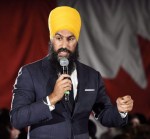
 The NDP Leader is running in a by-election in Burnaby south on February 25. There are two issues here, the one of Party Leaders running in by-elections in order to have a seat in the House of Commons, and the second of the calling of by-elections. I’ve suggested solutions to both in previous posts.
For seats in the House have a class of non-voting members of the Commons. Many legislatures have this around the world. Any Leader of a Party that has members in the House would become a non-voting member of the Commons when they become Leader, if not already a member of the House of Commons. Immediate access to the House and no need to ask a Party MP to step aside as so often happens.
The second issue of the timing of by-elections is to take it out of the hands of the political monarch (PM) of the day. Have 4 set by-election dates set 3 months apart. Example being the first Monday of the months of November, February, May, and August. When a seat goes vacant then a by-election to fill the seat is held on the second set date after the seat goes vacant. Example if a seat went vacant now, January 15, then a by-election would be held for the first Monday in May. A by-election is held 3 to 6 months after a seat goes vacant. Simple for the voters, but beyond the comprehension of politicians, and not even thinkable for Party Leaders. Especially for those who think they will be the political monarch after the next election.
Still here and belonging to a Federal political Party where I as a rank & file member directly vote on all resolutions, policies, by-laws, and Party constitution amendments. This done by being a registered member of the National Assembly of the Federalist Party of Canada.



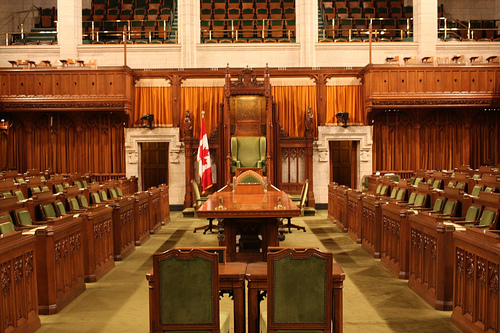
 The Quebec General Election this last Monday has confirmed a trend of fragmentation in our politics. The winning party (CAQ) only took 37% of the vote and this vote represents only 25% of all Quebecois eligible to vote. The 2 largest parties (CAQ + PLQ) just clear 60% of the vote and together not even half of all voters at only 40% of the electorate. There are 4 parties in the new National Assembly with the two minor parties (PQ / QS) having a respectable number of seats but more importantly each got a significant share of the vote at 17% and 16%. Also, perhaps unnoticed, is the Green party and Conservative party who each broke past the 1% mark.
 The Federalist party of Canada