

84 candidates in the last by-election, this is a bigger joke then Justin Trudeau. Hello! Liberals, past time to ditch this dude. Here’s how to get the candidates for an election in a 3 month process.
First month, by the 15th any person on the voter’s list for the riding can pay the registration fee and declare that they’re a candidate or nominate someone who is also on the riding’s voter’s list. Also by the 15th the top 2 candidates in the last election can declare they are running again and are automatically on the ballot. This incumbency is vested in the people and not the Party. By the end of the month those who got nominated must accept being a candidate.
The first endorsement period lasts till the end of the second month where anyone on the voter’s list may publicly endorse one of the candidates including any incumbent. If there is no incumbent running the top 8 most endorsed go to the second endorsement period that lasts till the end of the third month. If one incumbent is running then the top 7 most endorsed go on and if both incumbents are on the ballot the top 6 endorsed non-incumbents go to the second endorsement period.
The second endorsement period lasts till the end of the third month. No incumbents running it’s the top 6 endorsed candidates who get on the ballot. One incumbent it’s the top 5 non incumbent candidates and both incumbents running the top 4 non incumbent candidates make it to the ballot.
The 6-5-4 rule is you want choice without fragmentation. Not too many candidates and not too few. 6 candidates where you want a popular choice, 4 candidates where you want to know the candidates better for an important office, and 5 candidates for a mid-range choice.
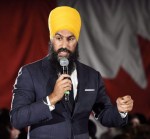 The NDP Leader is running in a by-election in Burnaby south on February 25. There are two issues here, the one of Party Leaders running in by-elections in order to have a seat in the House of Commons, and the second of the calling of by-elections. I’ve suggested solutions to both in previous posts.
 The Federalist party of Canada