

Category Archives: policy

Mr. Real Change

g3403

http://www.cbc.ca/news/politics/government-ads-liberals-1.3455529

As always with the change of government the new one promptly starts behaving like the previous government they criticized while in opposition. As with all these Political Monarchs (PM / Premier) “Some are better, some are worse, but in the end, they are all the same.”

There is to be created the Council of State which consists of the Council of Ministers and the Council of Opposition. This would include only those who hold the senior portfolios of the ministers of the crown as defined in an Act of Parliament and not the whim of the PM (Political Monarch) of the day. Equal number of members from both the government and the opposition of the day and presided over by the Governor-General. It would be this body that sets the rules governing the communications policy of the government of Canada and it’s departments and agencies. This requires a 2/3 majority vote of the council if introduced by the Prime Minister and the Leader of the Opposition. If introduced be just one of them then it requires a three-quarter majority vote.

Also as a direct subsidiary body you would have the Federal Government Communication Office (FGCO) charged with overseeing the implementation of federal communication policy. Chairman would be the Minister of state responsible for the FGCO and deputy chairman the opposite number in the Opposition. Also included are the minister of public service, the minister of heritage, and their opposite numbers in the Council of Opposition. At the start of each Parliament the Council of Ministers and the Council of Opposition each appoints a member of the FGCO who would serve for the duration of 3 Parliaments. Half the membership comes from the government and half from the opposition. Half are from the cabinet and the opposition council and half are appointed members with long terms of office.

The FGCO would currently have 6 Conservatives, 5 Liberals, and 1 NDP. This would include 3 Liberal ministers, 3 Conservatives in the opposition council, 3 conservative members, 2 liberal members, and 1 NDP member. The approval of the FGCO would be required for any advertising by the government of Canada and this needs the vote of 8 of the 12. Control of the Government of Canada’s website would be under the jurisdiction of the FGCO. Non partisan and not run out of the PMO and doesn’t stand a chance of happening. Some variation of the same old is all we can expect.

US Judicial Appointments

scaliaAs I have posted before, a different way then how senate confirmation of presidential appointments are currently done. This idea occurred to me after the nomination of Judge Bork by President Reagan. The Senate has every right to confirm, every right to reject, but no right to not vote in a timely matter. What the Democrats did then and what the Republicans in an even worse way intend to do now is wrong! For good reasons, bad reasons, or no reason the Senate is to confirm or reject every appointment made by any President of the United States.
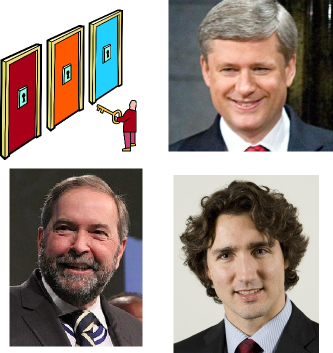
This should be the process. After President Obama nominates someone to fill the vacancy on the Supreme court created by the death of Justice Scalia the Senate holds a vote to determine when the Senate holds a confirmation vote. There are 5 set days, 20 days after the appointment, 30 days, 40 days, 60 days, or the first sitting of the Senate 80 days after the appointment. The default is the middle setting of 40 days or some 8 weeks after the appointment the Senate will vote to confirm or reject the nominee. By super majorities the Senate can advance the vote to 30 days after nomination with the vote of 67 Senators or only 20 days after appointment by a vote of 75 Senators. By minorities the Senate can delay the vote to 60 days after nomination with the vote of 33 Senators or till 80 days after appointment by a vote of 50 Senators.

All confirmation votes of Presidential judicial appointments will occur on the first sitting of the Senate that’s 20 / 30 / 40 / 60 / 80 days after the President nominates someone to fill a vacancy in the federal judiciary. The minority can delay a vote but not block it and super majorities can advance that vote but not ram it through. Each appointment gets confirmed or rejected no early then 4 weeks to no longer then 16 weeks after the nomination by the President. One change I’d make would be for judicial appointments to require a 2/3 majority for confirmation. For the federal bench a 2/3 majority of the Senate present and voting and for the Supreme court an absolute 2/3 majority or at least 67 votes to confirm.

The Three Choices

g3827

The three choices:

This doesn’t refer to Stevie, Tom, and Justin. The three choices are a reform of the government formation process. In a tight three way race it is not inconceivable that the party that has the most seats in a minority situation is the party that got the third most votes in the General election or worst yet a majority. What if the incumbent PM refused to step down even though their party has the third most seats but argues they got the most in the popular vote? Anyone remember December of 2008? It is all left to a patronage appointee the Governor-General to decide the issue and with the incumbent PM right there insisting they must do what ever they say or overthrow our democracy. The three choices set out clear rules what is to be done after each election.

Largest: The leader of the party with the most seats is called upon to form a government. If the seat count is equal then the one with the larger popular vote. No non-confidence motions, no vote can bring down a government. This is replaced by a motion of dissolution. By an absolute majority (170 / 338) the House can dissolve Parliament and trigger new elections. It can’t replace a government only trigger new elections. The PM can’t ask the Governor-General for early elections. It’s fixed the next election is on the set election day or an early election triggered by a motion of dissolution passed by the Commons.

House election: At the start of each Parliament the Speaker after the members of the House of Commons are sworn in asks “who should the Governor-General call upon to form a government”? The four most endorsed candidates are invited to Rideau Hall and asked to form a council-designate, a government-in-waiting. After each leader forms a proposed government of say 16 to 20 members the Speaker puts the question to the House “which of these councils-designate has the confidence of this House”? The two with the least are dropped from the second ballot. The Commons votes a second time with the winner becoming the Council of Ministers and the loser the Council of Opposition. As with the above no vote in the House triggers an election only an absolute majority passing a motion of dissolution can trigger an election before the set election day. No vote can replace the current government with another. The Council of Ministers is the government for the duration of that Parliament.

Separate election: The same as a municipal election namely a vote for a mayor, the executive election, and a vote for the councillor, the legislative election. In this case a vote for an executive council to be the government in the next Parliament and a vote for your Member of Parliament. The executive and legislative elections are separate and institute a preference ballot. If on the first count of the ballots a candidate got a majority their elected. No candidate got a majority, count the ballots a second time with only the top two being counted and the one with the majority is elected. In order for an executive council of again say 16 to 20 members to get on the ballot they must be endorsed by the candidates for the House of Commons in the last election. Each candidate has votes equal to their popular vote. The four most endorsed executive councils are on the ballot. In this there is no early elections. Parliament just like municipal elections has a fixed term and set election day.

Alberta General Election 2015

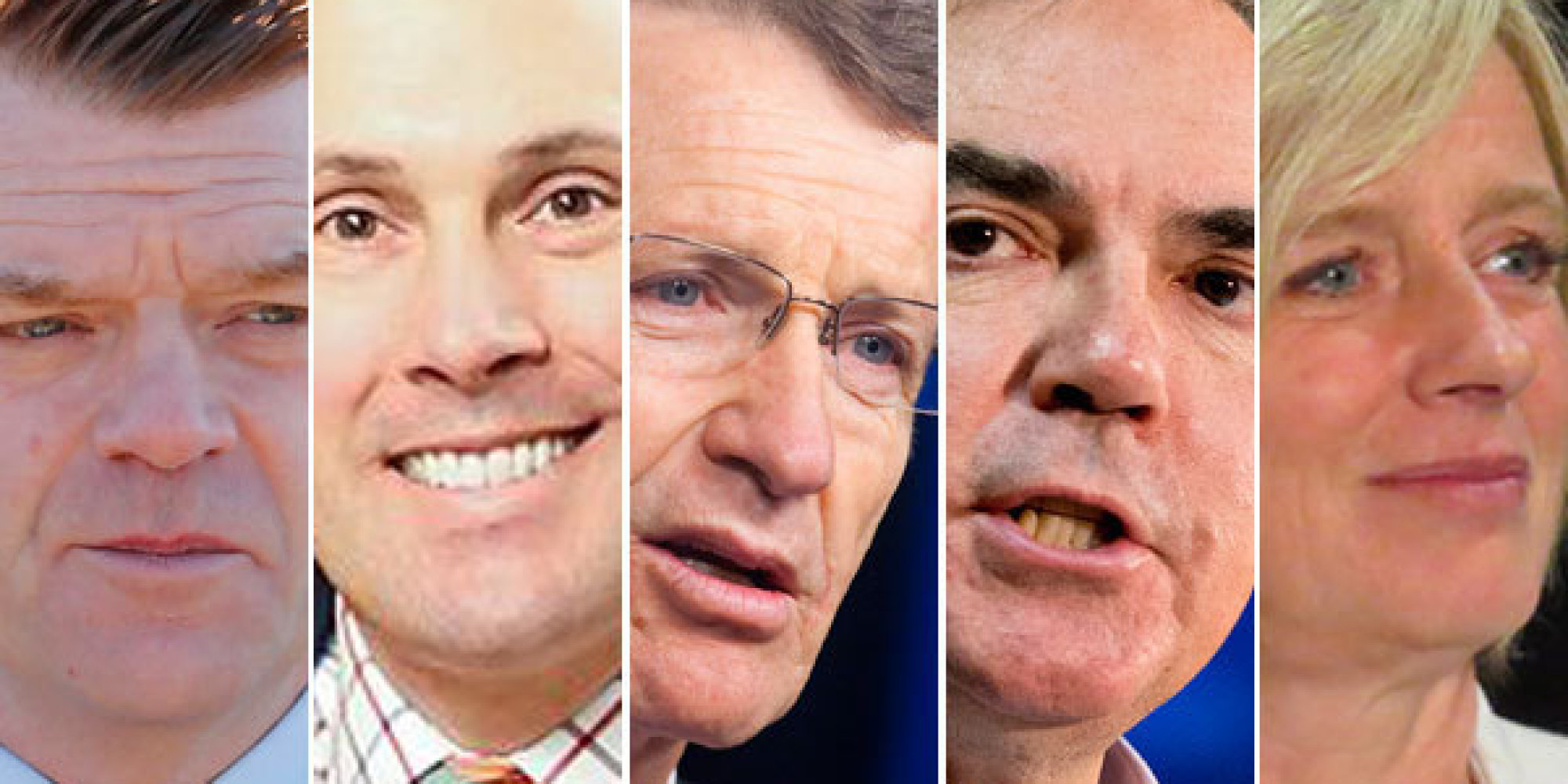
o-ALBERTA-ELECTION-2015-facebookDual Electoral System

Voting is done by a preference ballot. On the first count of the ballots the top two candidates in each riding are elected. On the second count of the ballots the elected candidates get one vote for every ballot they have the lower number on. All the votes cast for the candidates who did not get elected are transferred to one of the top two candidates in that riding.

In the Legislature each member has one vote in regular session. In legislative session they have one vote for each of the votes they received on the second count of the ballots. The Legislature goes into legislative session every Thursday at 1 PM and during that session any bills up for a vote that week are voted on and passed or defeated. Any bills that were adopted by the Assembly are on the desk of the Lieutenant-Governor Friday morning for Royal assent.

Try it before you buy it. Form the Legislature advisory council. The members are the top two candidates from each riding. Each member has the one vote in regular session of the council. All of the candidates not on the council transfers their votes to one of the council members from their riding. All votes do get represented. These are voted when the council is in legislative session. Regular session votes advise the Assembly on procedural votes and in legislative session on votes to pass legislation.

Alberta General Election 2015

Party

Popular vote

Seats

Dual seats

Dual votes

NDP

41%

53 / 61%

71 / 41%

38% – 41%

PC

28%

10 / 11%

67 / 39%

41% – 44%

Wild Rose

24%

21 / 24%

33 / 19%

15% – 17%

Liberal

4%

1 / 1%

2 / 1%

1% – 2%

Alberta

2%

1 / 1%

1 / <1%

1%

Where the votes go on the second count of the ballots under the Dual Electoral System.

All the NDP vote goes to the PC candidate in the ridings where the top two are the PC and Wild Rose candidates. All the PC votes goes to Wild Rose where its the Wild Rose and the NDP. All the Wild Rose votes goes to the PC where the PC and NDP are the top two candidates. All the Liberal vote goes to the NDP

A clear majority votes for conservative parties but the Left-wing NDP gets 61% of the seats in the Legislature because of vote splitting. Wild Rose gets fewer votes then the PC but end up with more then double the seats. Time for a change. Time to try it before you buy it with the Dual Electoral System.

Under the Dual Electoral System the PCs would have ended up with a plurality of the votes in legislative session because of the transfer of votes from defeated Wild Rose candidates and some from the NDP in ridings where the top two candidates are the PC and Wild Rose. Together these conservative parties would have 56% – 60% of the votes in legislative session.

PEI General Election 2015

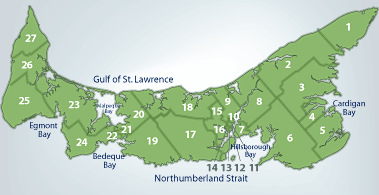
pei_mapAgain the disproportionate results produced by the first past the post system. A big majority votes against a Party yet they get a super majority of the seats and votes in the legislature. In the last PEI Provincial legislature I mailed, YES! the Canada post kind, all the MLAs with a letter detailing the Dual Electoral System. That system is again stated in a recent post on the Party blog of the Federalist party of Canada.

Voting is done by a preference ballot. On the first count of the ballots the top two candidates in each riding are elected. On the second count of the ballots the elected candidates get one vote for every ballot they have the lower number on. All the votes cast for the candidates who did not get elected are transferred to one of the top two candidates in that riding.

In the Legislature each member has one vote in regular session. In legislative session they have one vote for each of the votes they received on the second count of the ballots. The Legislature goes into legislative session every Thursday at 1 PM and during that session any bills up for a vote that week are voted on and passed or defeated. Any bills that were adopted by the Assembly are on the desk of the Lieutenant-Governor Friday morning for Royal assent.

In regular session in the last Legislature it would have been 50% Liberal and 50% PC. The operation of the Assembly is done on a non-partisan basis for no one party can gain a majority. In legislative session the Liberals would have had a solid majority and there is your proportional representation.

Try it before you buy it. Form the Legislature advisory council. The members are the top two candidates from each riding. Each member has the one vote in regular session of the council. All of the candidates not on the council transfers their votes to one of the council members from their riding. All votes do get represented. These are voted when the council is in legislative session. Regular session votes advise the Assembly on procedural votes and in legislative session on votes to pass legislation.

If PEI adopted the Dual Electoral System have 15 ridings for 30 members or 12 ridings for 24 members.

PEI Election 2015: What the Legislature advisory council would look like.

Party

Popular vote

Seats

Dual seats

Dual votes

Liberal

41%

18 / 67%

27 / 50%

42% – 62%

PC

37%

8 / 30%

26 / 48%

36% – 56%

NDP

11%

0 / 0%

0 / 0%

0%

Green

11%

1 / 4%

1 / 2%

2%

It is where the Green and NDP vote goes whether to the Liberal candidate or the PC candidate that would determine who gets a possible majority in the Assembly. If the Liberals get half they would have 52% of the legislative vote under the Dual Electoral System. Even if they got a 2/3 majority of these votes they would have 55% of the legislative vote.

59% vote against the Liberals and they get 67% of the seats. Time for a change. Time to try it before you buy it with the Dual Electoral System.