
 “Real Change” does it again.
http://www.cbc.ca/news/politics/house-commons-standing-committees-list-1.3425906
Here’s the letter I just mailed (Yes, Canada post kind) to my Liberal MP and see what Mrs. Marie-Claude Bibeau is going to be worth.
Dear Mrs Bibeau:
I was truly shocked to read a news article on how the Commons committees were going to be done. What you are supporting is fundamentally wrong. I propose a different way of doing the committees of the House of Commons then what “Real Change” is doing now.
24 committees with 16 seats on each for 384 committee assignments
|
Party |
House |
Committee seats |
Final seats |
Fixed |
Assigned |
|
Liberal |
184 |
209.04 |
209 |
8 (192) |
17 |
|
Conservative |
99 |
112.47 (+1) |
113 |
4 (96) |
17 |
|
NDP |
44 |
49.99 (+1) |
50 |
2 (48) |
2 |
|
Bloc |
10 |
11.36 |
11 |
0 (0) |
11 |
|
Green |
1 |
1.14 |
1 |
0 (0) |
1 |
|
Independents |
0 |
0.00 |
0 |
0 (0) |
0 |
|
Total |
338 |
382 |
384 |
14 (336) |
48 |
There are a total of 384 seats on the 24 committees and they are to be distributed to the Parties in direct proportion to their seats in the House of Commons. Independents are treated as another Party in the House. A Party’s House seats is divided by the full House and multiplied by the number of committee assignments (384). The remainder is dropped and any extra seats to get to 384 are awarded to the party with the highest decimal remainder. A Party’s fixed number of seats on a committee is the minimum they will have on all committees and within parentheses the total number of seats. Assigned is the number of seats their House Leader chooses to bring their number of seats up to their seat total. There are 2 unassigned seats on each committee to be assigned by the Parties for a total of the last 48 committee seats.
The unassigned seats are chosen by the Party’s House Leaders in order of their Party’s standing in the House with one seat chosen by each in each round. First round goes the Liberal House leader, Conservative, NDP, Bloc, and the Green. If there were any Independents the most senior member would get to choose a committee assignment. The second round would be the Liberals chose one, Conservative, NDP, and Bloc. For the 3rd to 11th rounds there would only be the Liberal, Conservative, and Bloc. The Liberals and Conservatives choose the twelve last committee assignments in rounds 12 to 17. Each Party can choose only 1 unassigned seat on each committee.
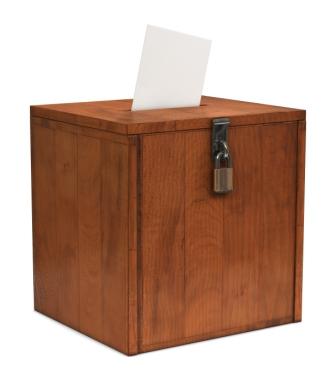
The process to determine committee assignments for the members is done similar to the choosing of the unassigned committee seats. The Parties, round by round, choose committee seats in order of their standing in the House. At least half of the Party’s seats on each committee are chosen by the members themselves in order of their seniority in caucus. The House Leader or Deputy House leader assigns the remainder. These positions are to be elected directly by the members of that Party’s caucus by secret ballot in the House of Commons chamber. The winner by majority vote becomes that Party’s House Leader and the runner up the Deputy House leader. The Leader assigns the majority of the remainder and the Deputy leader the rest. If it’s 2 seats then it’s 1 seat assigned by each.
|
Party |
Committee seats |
Members choice |
Leader assigns |
Deputy assigns |
|
Liberal |
9 |
5 |
3 |
1 |
|
Liberal |
8 |
4 |
3 |
1 |
|
Conservative |
5 |
3 |
1 |
1 |
|
Conservative |
4 |
2 |
1 |
1 |
|
NDP |
3 |
2 |
1 |
0 |
|
NDP |
2 |
1 |
1 |
0 |
|
Bloc / Green |
1 |
1 |
0 |
0 |
In the first round of choosing committee assignments the most senior Liberal member chooses a committee to sit on. Then the most senior members of the Conservatives, NDP, and the Bloc Parties choose a committee seat. The Green party has only one committee assignment so that goes to its only MP. This process repeats with the next most senior members choosing a committee to sit on until all the committee assignments that are chosen by the choice of the members are filled. After that when a Party’s turn is up in a round it’s that Party’s House Leader the assigns a seat to a member. The next time after that the Deputy leader assigns one then back to the Leader the time after that. This continues until all the 384 committee seats on the 24 committees are filled.
This idea has it’s basis on what I thought about the situation in the 1980s for the US House of Representatives where the Democrats had a higher percentage of seats on the House committees then they had in the full chamber. Again fundamentally wrong and every member of a legislative body should get to serve on at least 1 of its committees.
Sincerely yours,
 The Federalist party of Canada